
Fuel Your Performance: Athletic Nutrition Mastery
Discover evidence-based nutrition strategies designed specifically for male athletes. Learn how to optimize your diet for strength, endurance, and recovery.
The information on this site is for educational purposes only and does not constitute medical advice. Always consult a qualified healthcare professional before making health decisions.
Core Nutrition Pillars for Athletes
Master the fundamental nutrition principles that separate elite performers from the rest. Each pillar works synergistically to enhance your athletic potential.
Protein Optimization
Understand the precise protein intake for muscle building and repair. Learn about amino acid profiles, timing strategies, and quality sources that maximize protein synthesis and athletic recovery.
- 1.6–2.2g per kg body weight daily
- Optimal post-workout window timing
- Complete protein sources ranked
Carbohydrate Strategy
Master the art of fueling your workouts and performances. Discover how to time carbohydrate intake for sustained energy, improved endurance, and enhanced glycogen storage for competitive edge.
- Pre-workout fueling protocols
- Glycemic index timing guidelines
- Recovery carb ratios explained
Micronutrient Balance
Don't overlook the essentials—vitamins and minerals that drive energy production, immune function, and bone health. Learn which micronutrients athletes often lack and how to address gaps through whole foods.
- Iron, magnesium, and zinc priority
- Vitamin D and bone health connection
- Antioxidant-rich food selections
Hydration Science
Proper hydration is non-negotiable for athletic performance. Learn individual sweat rate calculation, electrolyte balance, and strategic fluid intake patterns that prevent dehydration and optimize thermoregulation.
- Sweat rate assessment methods
- Electrolyte replacement formulas
- Sport-specific hydration plans
Fat Intake Optimization
Essential fats are crucial for hormone production, inflammation control, and cell health. Discover omega-3 ratios, saturated fat guidelines, and strategic fat placement around training for maximum hormonal benefit.
- Omega-3 to omega-6 balance
- Testosterone and fat relationship
- Quality fat sources ranked
Meal Timing & Frequency
Structure your eating pattern around your training schedule for optimal nutrient absorption and muscle protein synthesis. Learn whether frequent small meals or intermittent patterns suit your sport best.
- Anabolic window protocols
- Meal frequency impact studies
- 24-hour nutrient distribution
Protein Timing Strategy: Maximize Muscle Growth
The science is clear: strategic protein intake around your training windows significantly enhances muscle protein synthesis. But timing alone isn't enough—quality, source, and total daily intake matter equally. Our comprehensive approach integrates all three variables.
Pre-Workout Priming
Consume 20–30g protein 1–3 hours before training to establish elevated amino acid availability during your session, reducing muscle breakdown and accelerating repair initiation.
Post-Workout Surge
The 30–60 minute post-training window is prime real estate. A 30–50g fast-digesting protein source with 40–80g carbs maximizes mTOR activation and glycogen replenishment simultaneously.
Throughout-the-Day Distribution
Spread remaining protein across 4–6 meals (20–35g each). Research shows frequent, evenly-distributed protein intake produces superior muscle-building results versus front-loading.
Bedtime Casein Advantage
A slow-digesting casein shake or cottage cheese 30 minutes before sleep provides 6–8 hour amino acid supply, supporting overnight muscle protein synthesis and hormonal recovery.
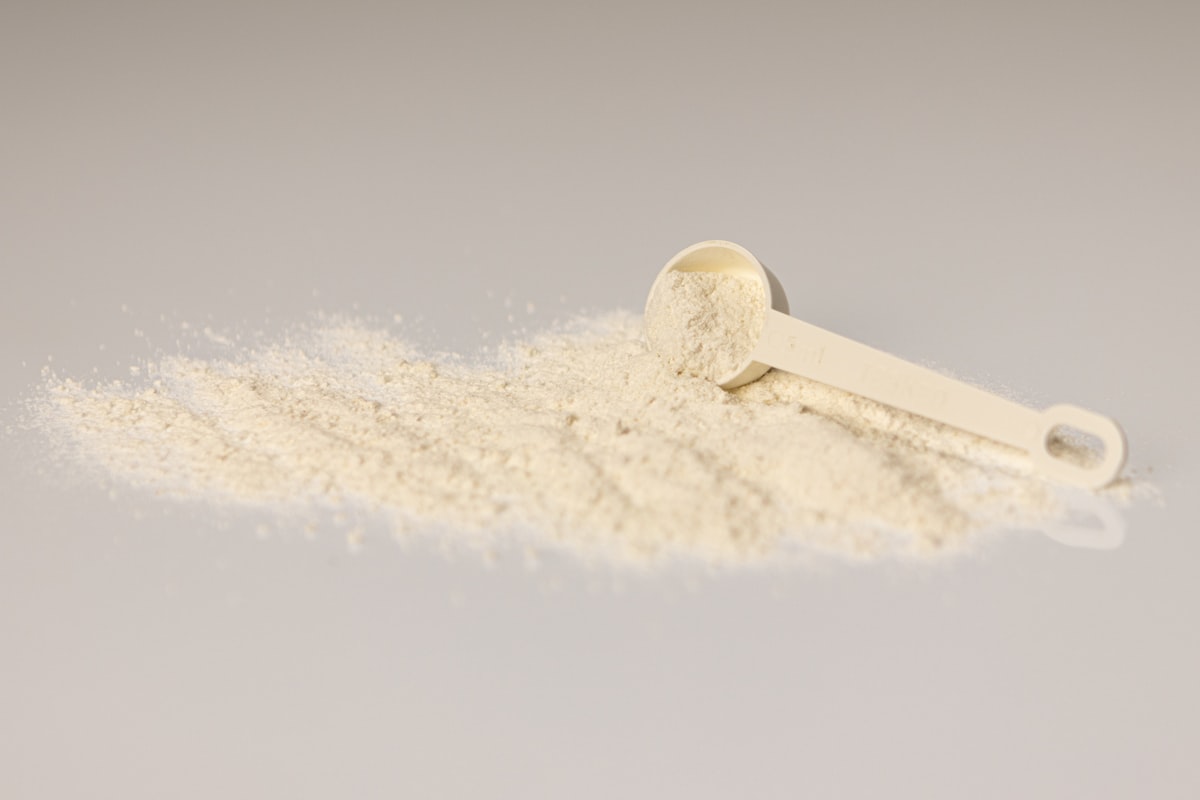
Meal Prep Essentials for Athletic Success
Consistency beats perfection. Master these foundational meal prep strategies to remove excuses and deliver superior nutrition day after day, regardless of schedule chaos.
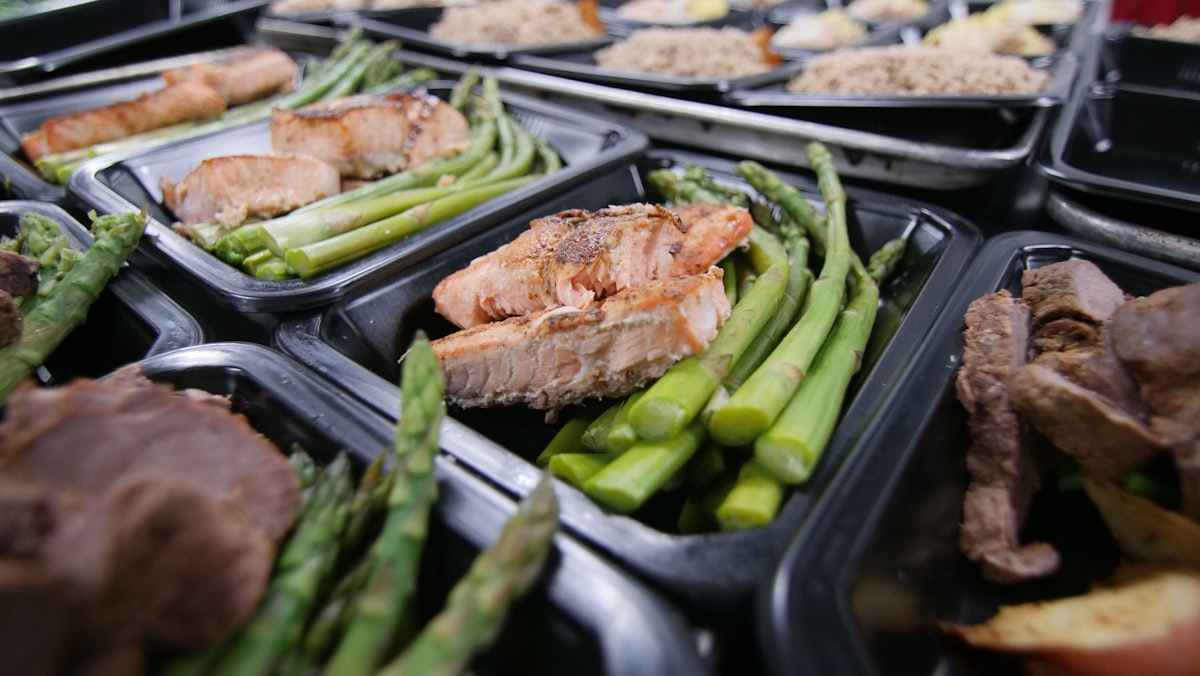
Bulk Cooking Proteins
Dedicate 2–3 hours weekly to batch-prepare lean meats, poultry, and fish. Cook multiple 150–200g portions in bulk, refrigerate in airtight containers for 3–4 day freshness, and grab as needed.
Tip: Season generously to prevent bland meals over multiple days.
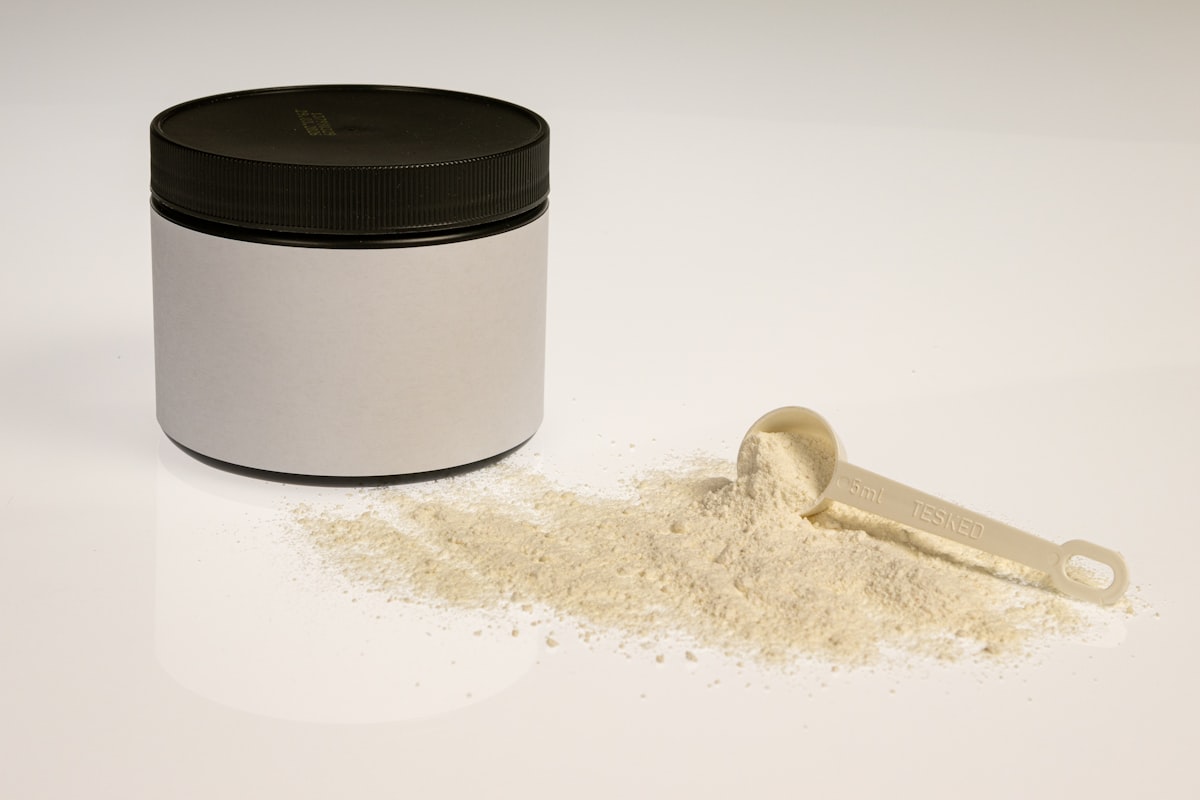
Complex Carb Staging
Prepare large batches of white rice, sweet potatoes, oats, and whole grain pasta. Portion into 150–250g containers based on training intensity. Pre-cooked carbs stay fresh 4–5 days refrigerated.
Tip: Cool rice quickly in shallow pans to prevent bacterial growth.
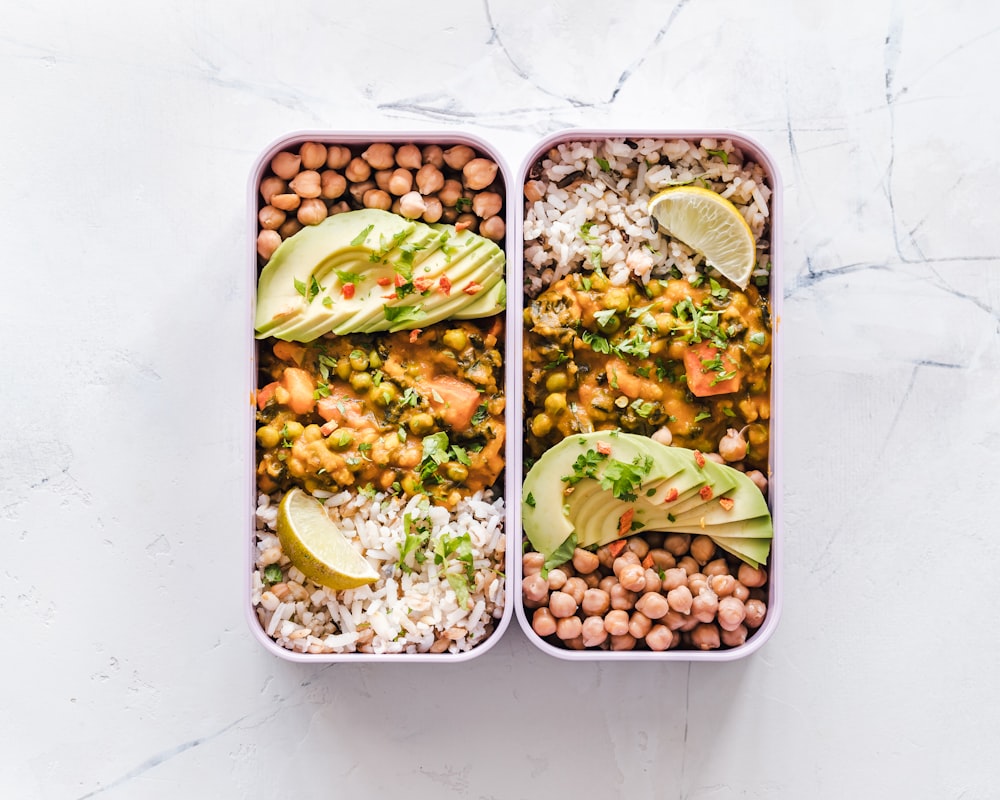
Vegetable Prep System
Roast or steam mixed vegetables in bulk: broccoli, asparagus, bell peppers, and leafy greens. Store in single-serving containers. Minimal prep time transforms raw ingredient chaos into grab-and-heat convenience.
Tip: Drizzle olive oil before roasting for enhanced micronutrient absorption.
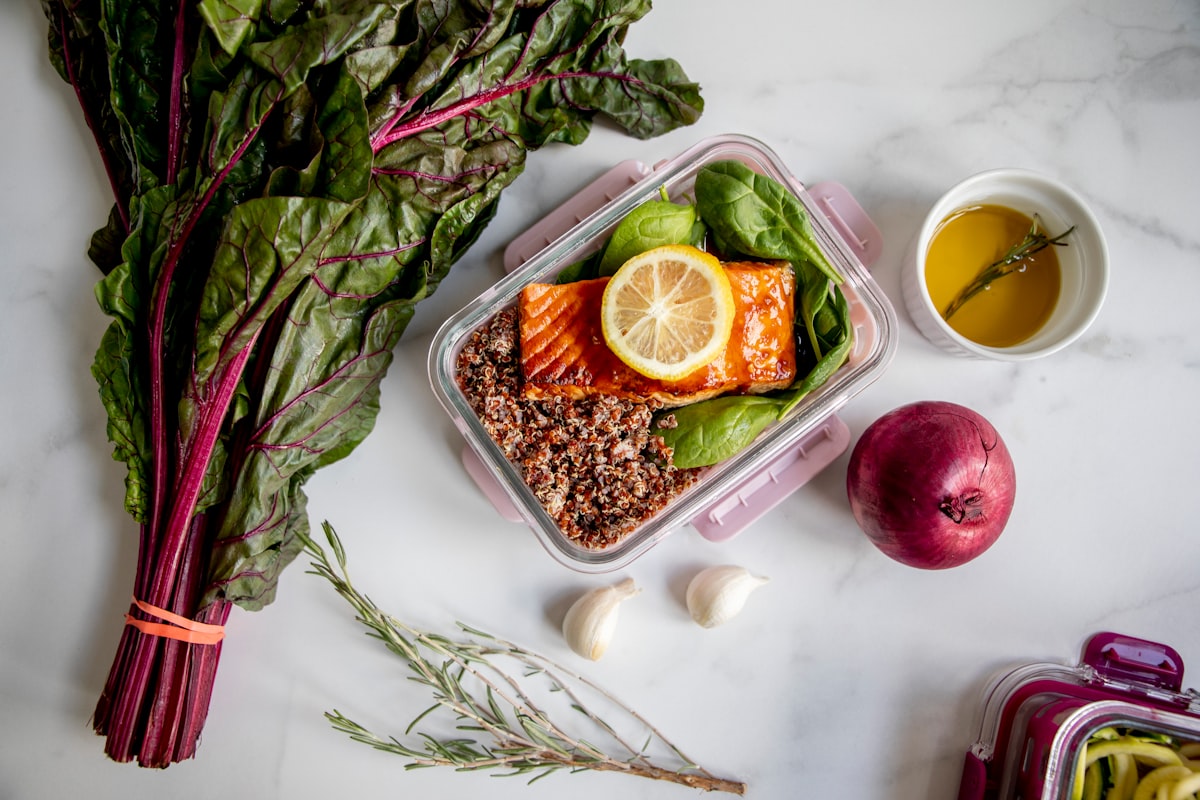
Portable Snack Packs
Pre-portion nuts (almonds, walnuts), dried fruit, and protein powder into small bags or containers. Keep emergency snacks in your gym bag, car, and office desk for unplanned training sessions and busy days.
Tip: Mix raw almonds with raisins for balanced protein and carbs on-the-go.
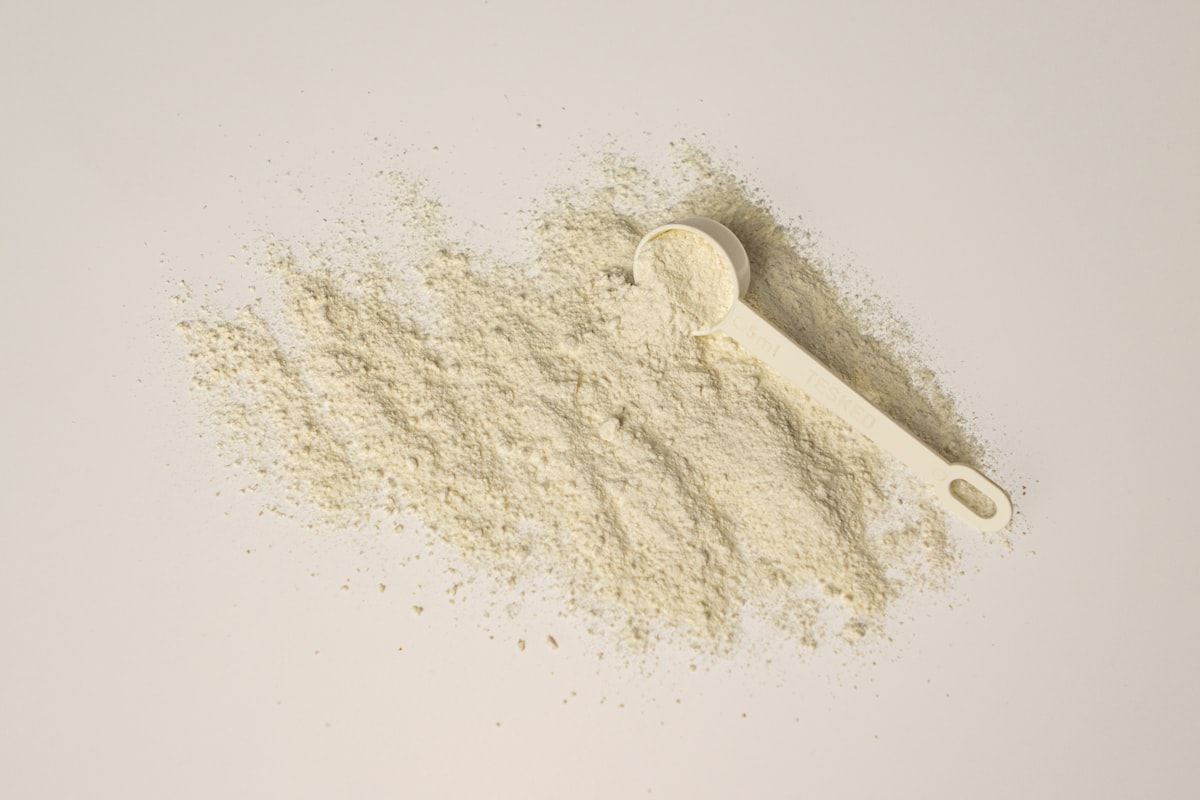
Smart Seasoning Stations
Prepare 3–4 simple sauce or spice mixes in small jars: garlic + herb blend, Asian-inspired soy ginger, and lemon pepper. These zero-calorie flavor boosters transform bland prepped meals into restaurant-quality dishes daily.
Tip: Use fresh herbs and quality spices to dramatically elevate meal enjoyment.
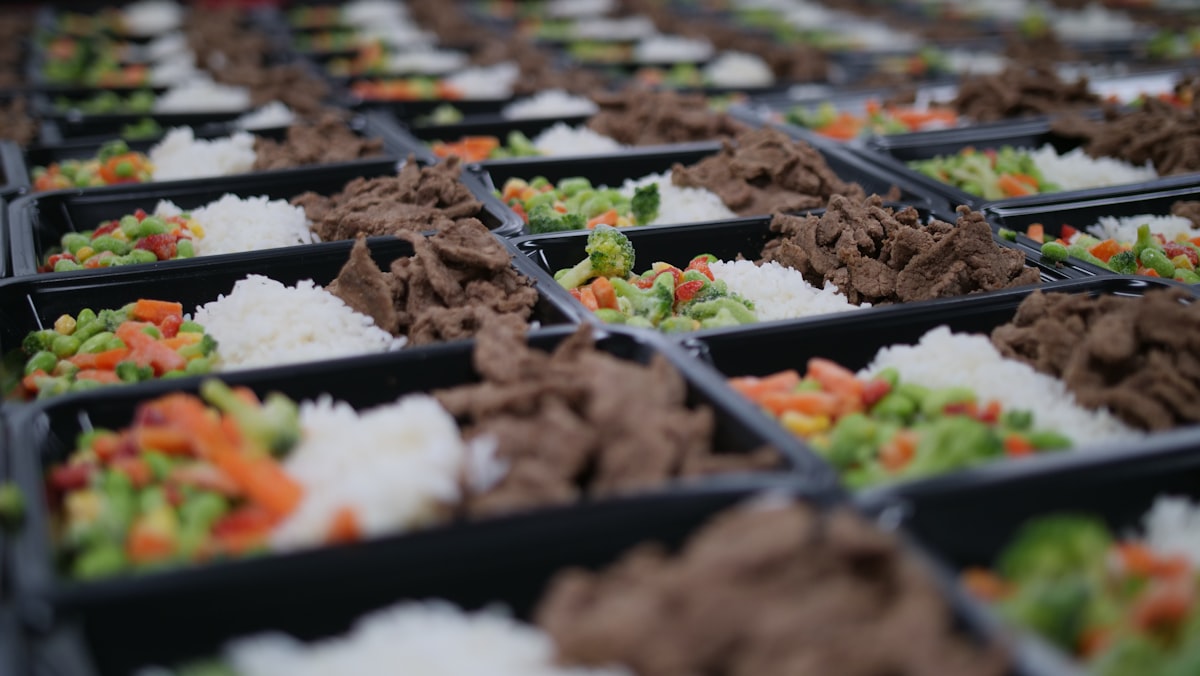
Hydration Staging
Mix electrolyte drinks or coconut water solutions into large bottles at the week's start. Pre-mixed hydration removes friction from staying consistently hydrated during intense training blocks and hot weather conditioning.
Tip: Keep hydration bottles visually labeled by day to track intake accuracy.
Your Complete Meal Prep Workflow
Follow this proven 4-step system to execute meal prep efficiently. Most athletes complete full weekly prep in 2–3 focused hours.
Plan & Shop
Write your week's meal template. Calculate macro targets. Build a detailed shopping list organized by store layout (produce, meat, grains). This 20-minute planning prevents mid-week chaos and wasted ingredients.
Bulk Cook
Start with longer-cooking items: proteins on the stovetop or oven, grains in a rice cooker. While these cook, prep vegetables. Parallel cooking saves 30+ minutes. This stage demands focus and multi-tasking.
Cool & Portion
Allow proteins and grains to cool completely before containerizing (prevents condensation, mold, and nutrient breakdown). Portion into calibrated meal-size containers using a food scale for accuracy. Label with dates.
Store & Plan
Refrigerate at 4°C immediately. Organize containers by meal day in front-facing rows for grab-and-go visibility. Assign specific meals to training days (higher carbs) vs. rest days (lower carbs). Track consumption.
Pro Tip: Storage Longevity
Properly stored meals remain safe and nutritious for 3–4 days refrigerated, 2–3 months frozen. Date every container. Rotate oldest meals first. Invest in quality glass containers—they resist odor absorption and last years longer than plastic.
Common Questions About Athletic Diets
Practical answers to the questions every male athlete asks about optimal nutrition.